

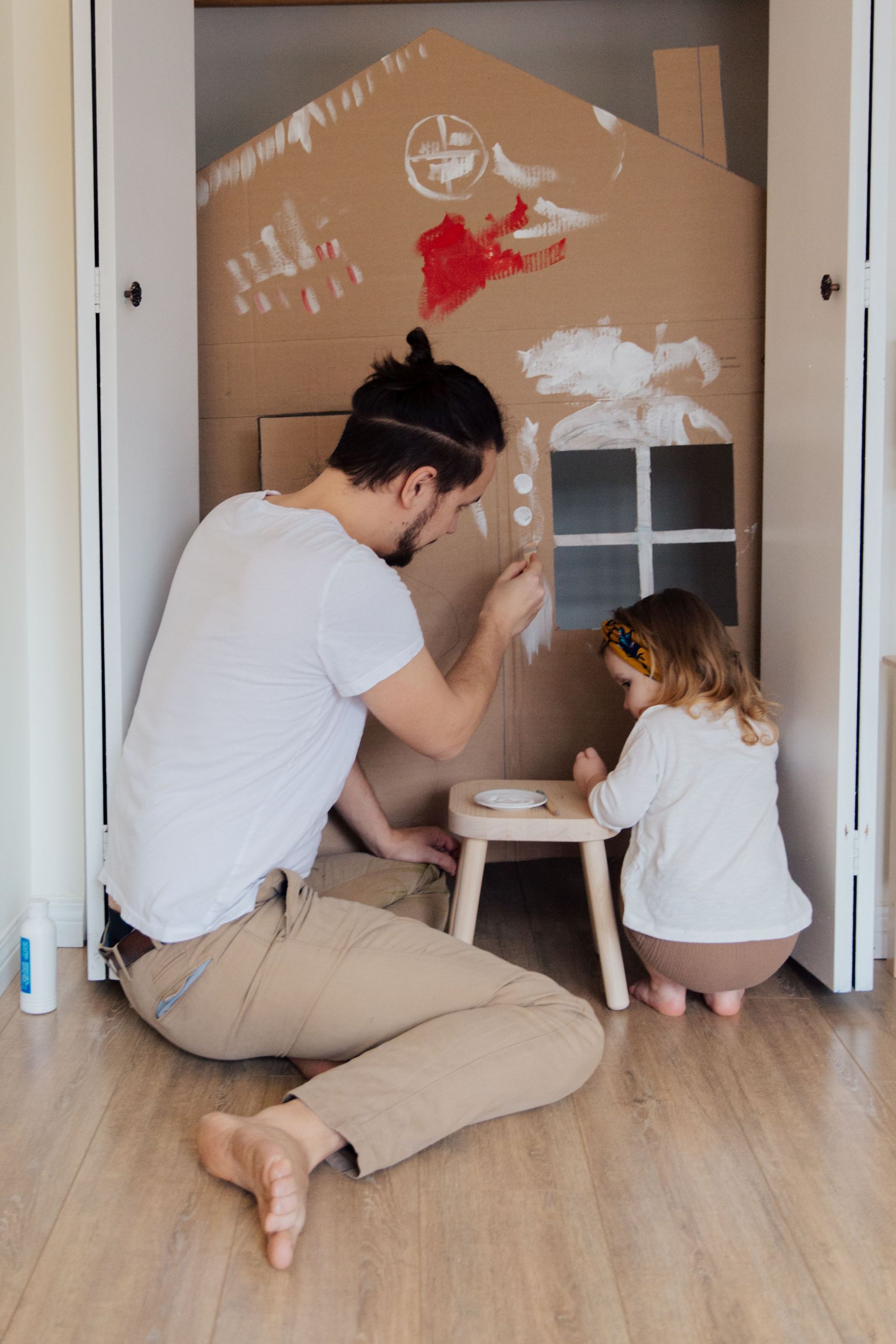

Let's start with what is actually happening. A tantrum - or a meltdown, or a behavioural explosion, whatever language fits the child in front of you - is not primarily a social event, even though it tends to occur in social contexts and produce a significant social response. It is a neurological event. And understanding the neurology of it, even in broad terms, transforms the way you respond to it in real time. The brain is not a single unified system. It is a collection of systems that developed at different points in evolutionary history, sitting on top of one another and communicating constantly but imperfectly. The oldest parts of the brain - the brain stem and the limbic system - handle survival, emotion, threat detection and basic bodily regulation. They are fast, automatic, and extraordinarily powerful. The newest part of the brain - the prefrontal cortex - handles thinking, planning, impulse control, emotional regulation and the capacity to consider consequences. It is slower, more deliberate, and almost entirely dependent on a calm neurological baseline to function. In a developing child, the prefrontal cortex is genuinely, structurally immature. The process of myelination - the biological development that allows the brain's neural pathways to communicate efficiently - is not complete until the mid-twenties, and the prefrontal cortex is the last region to mature. This is not a metaphor or an excuse. It is neurobiology. The capacity for emotional regulation that we expect children to demonstrate is built on infrastructure that is literally still under construction. Now add a significant stressor. It does not matter whether the stressor is objectively large or small. What matters is the child's neurological experience of it. The toy that won't work, the transition that wasn't expected, the food that is touching the other food, the injustice of a sibling getting something first - these register in the child's amygdala as problems that require an immediate response. The amygdala does not wait for the prefrontal cortex to weigh in. It moves faster than conscious thought, releases a cascade of stress hormones, and mobilises the body for action. Heart rate climbs. Breathing changes. Muscles activate. The child is now physiologically primed for intensity. If the stress is significant enough, or if the child's system was already running close to its limit, the prefrontal cortex goes largely offline. The capacity to reason, to respond to instruction, to regulate the emotional response, to consider what happens next - all of it becomes inaccessible. What remains is the raw emotional and physiological response: the crying, the screaming, the throwing, the collapsing, the rigidity. This is not performance. This is what happens when the oldest, most automatic parts of the brain are running the show without access to the regulatory input of the newer ones. Understanding this is clarifying. The child in the middle of a tantrum is not calculating the impact of their behaviour. They are not thinking about what they will get away with, or running a cost-benefit analysis on the social dynamics of the supermarket aisle. They are inside a neurological storm, with insufficient biological infrastructure to manage it independently, waiting - whether they know it or not - for the storm to pass or for a regulated adult to help them through it. Which brings us to the one thing that makes it worse. It is not giving in. It is not firmness. It is not consequences, or the absence of them. It is escalation. When an adult escalates in response to a child's tantrum - raises their voice, matches the emotional intensity, expresses frustration loudly, threatens consequences with urgency, physically hovers or looms - the child's amygdala does not receive a corrective signal. It receives confirmation. The environment has just become more threatening, not less. The stress hormones increase. The prefrontal cortex remains offline. The nervous system, already in high alert, goes higher. What was a three is now a seven. What might have resolved in four minutes now runs for fifteen.
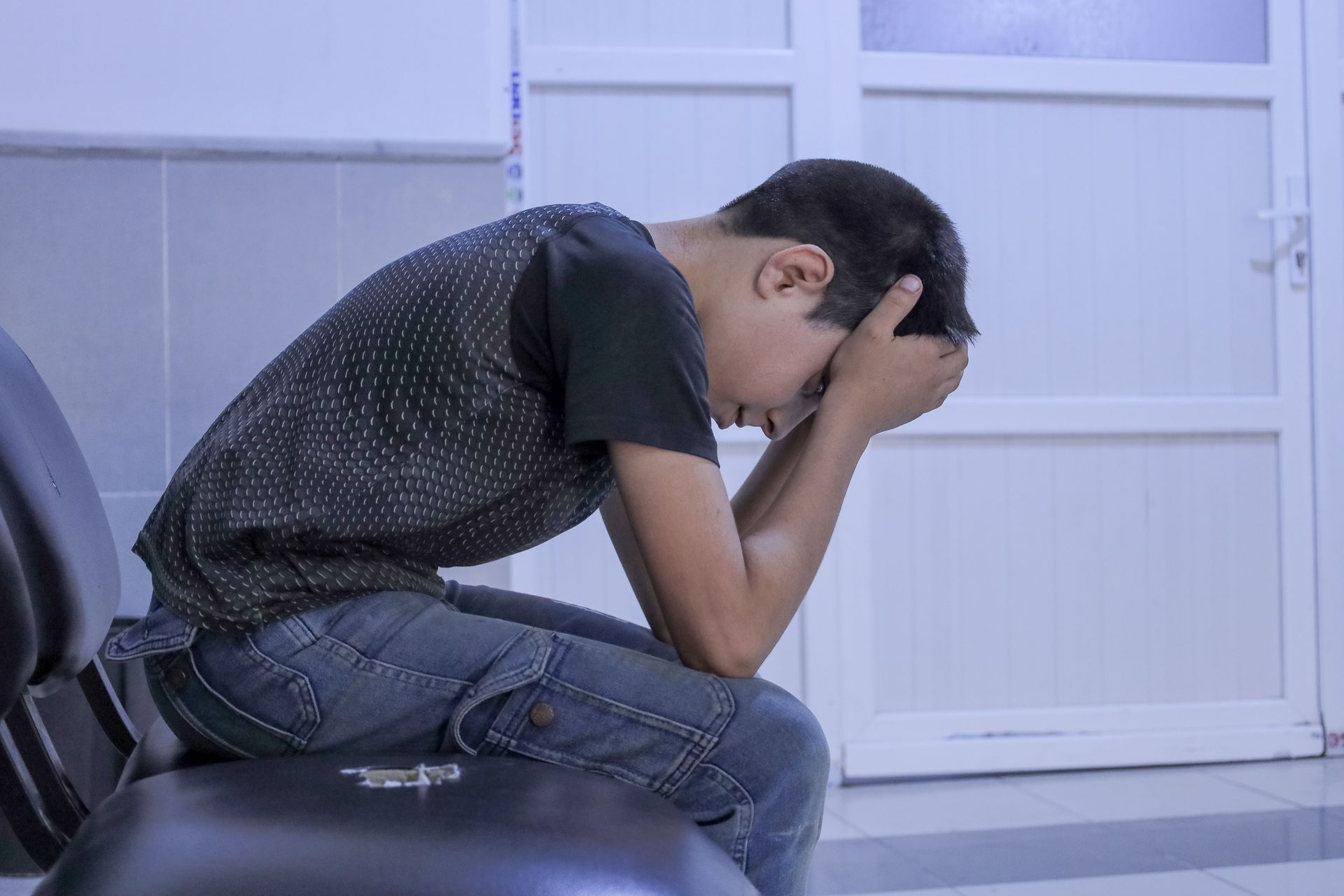
Why Your Child Falls Apart Socially After School (But Holds It Together While They're There)

The Difference Between School Avoidance and School Refusal — And Why It Matters

Most parents who are navigating financial difficulty make a decision, usually without fully articulating it even to themselves, about how much their child should know. And most of the time, that decision lands somewhere in the vicinity of: as little as possible. The intention behind it is straightforwardly loving. Children should not carry adult burdens. Their job is to be children, to feel safe, to grow up without the particular weight of financial precarity pressing on a developmental period that is already demanding enough. We want to give them the protected space of an uncomplicated childhood for as long as it is possible to provide one. This instinct is not wrong. But it is based on a significant overestimation of how successfully financial stress can be contained, and an equally significant underestimation of what children are already perceiving. Children understand more about money than we tell them. They understand some of this through direct information - things they have overheard, conversations that were not as private as the adults having them believed, the deductions a bright and observant child makes from the changed texture of family decisions. But they understand a great deal more through channels that are entirely independent of explicit information: the ambient emotional state of the household, the tension that is present without being named, the things that are not said and the topics that are quietly avoided, the parent's face when a bill arrives, the different quality of the no that comes when the family's finances are under strain compared to the no that comes when they are not. Children are, in this sense, better economists than we credit them for. They are tracking data points we do not know we are providing. They know the difference between "we're not buying that because you don't need it" and "we're not buying that because we can't." They may not have the adult conceptual vocabulary for financial scarcity, but they have something more visceral: the felt sense of what it means when the adults in their world are worried about resources. That felt sense is ancient, evolutionary, and extremely well calibrated. It has been preserved across human development because knowing when resources are scarce is survival-relevant information. Children come into the world primed to detect it. What they do not come into the world with is the conceptual framework to make sense of what they are detecting. And this is where the gap between what children perceive and what they are told becomes genuinely problematic. A child who is registering financial stress through the ambient emotional state of the household, but who has been given no information or frame for what they are registering, does not conclude that the family is having a difficult financial period. They conclude something that is both simpler and more threatening: that something is wrong, that the adults are not okay, and that the wrongness is present and unaddressed. In the absence of information, children do not generate neutral interpretations of ambient parental distress. They generate child-centred ones. They wonder whether they have done something. Whether they are the cause of the tension that is present without explanation. Whether the unnamed thing that is making the adults different is somehow about them. This is not a failure of childhood reasoning. It is the predictable output of a developing mind that is cognitively egocentric in the technical sense - not selfish, but organised around itself as the primary reference point, because the self is the most immediate and available explanatory variable. When something feels wrong at home and no explanation is offered, the child reaches for the most available one. That explanation is almost always some version of themselves.

The social media ban and how it is affecting your children.

Nearly Half of Australian Kids Aren't Developmentally Ready for School. Here's What Parents Can Do Before Kindy.
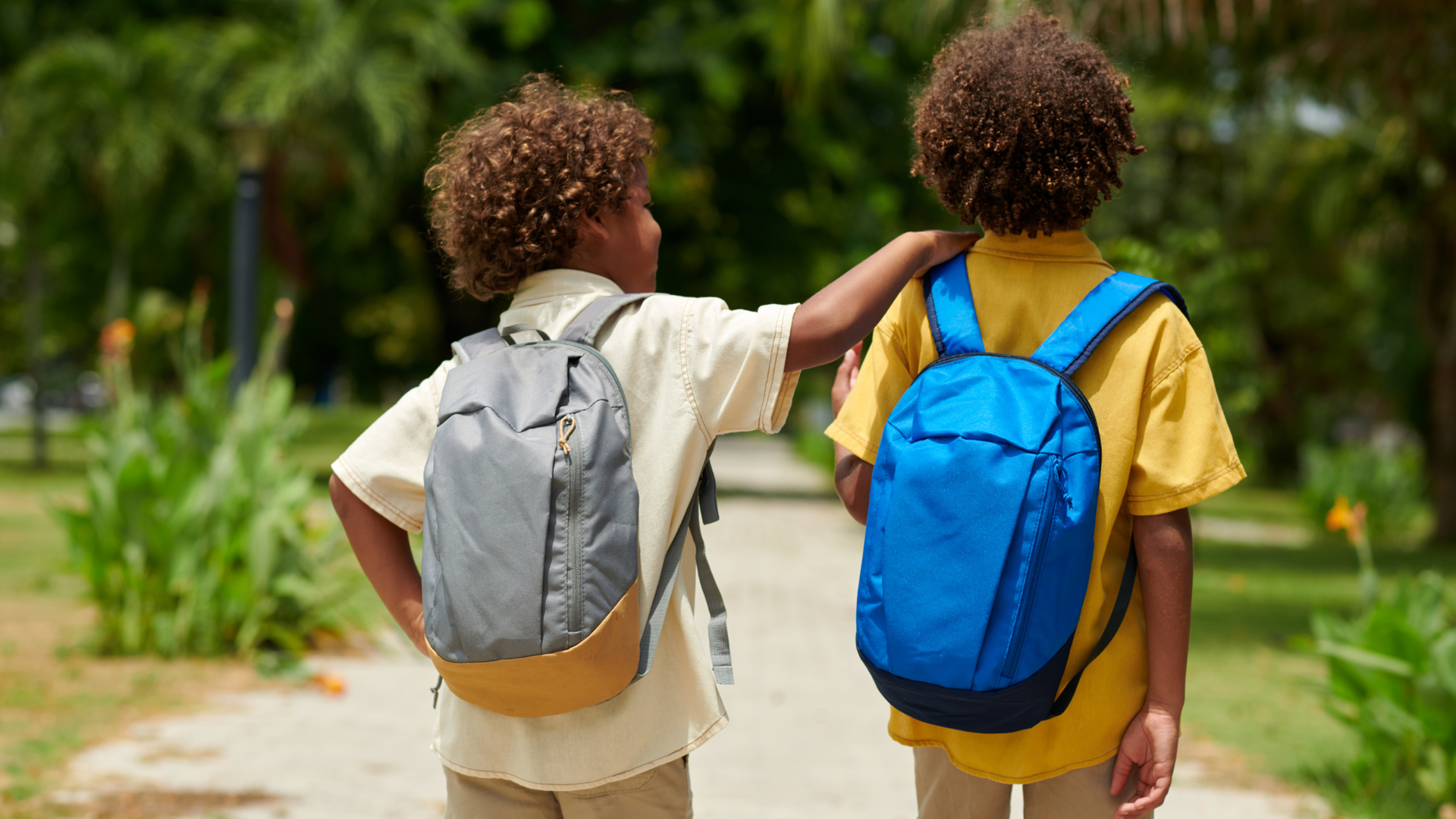
There is a conversation happening about boys in Australia, and it is mostly the wrong conversation.

You're Not Disconnected From Your Child. Just Speaking Different Languages. One of the most common things parents say when they reach out for support - and I hear versions of this regularly in clinical work - is some variant of: I feel like we are losing each other. I try to connect and I can't get through.

If you have ever said "calm down" to a child in the middle of a meltdown, you already know it doesn't work. What you might not know is why - and why knowing the why completely changes what you do instead.

School Refusal? What's Actually Happening in Your Child's Brain on School Mornings